
MANUAL INQUIRY
Need ClaudeCode or GPT recharge help?
Use the inquiry pages for ClaudeCode, GPT recharge, assisted purchase, and team sourcing.
Automatic payment is not configured. Pricing, region support, and timing are confirmed manually.
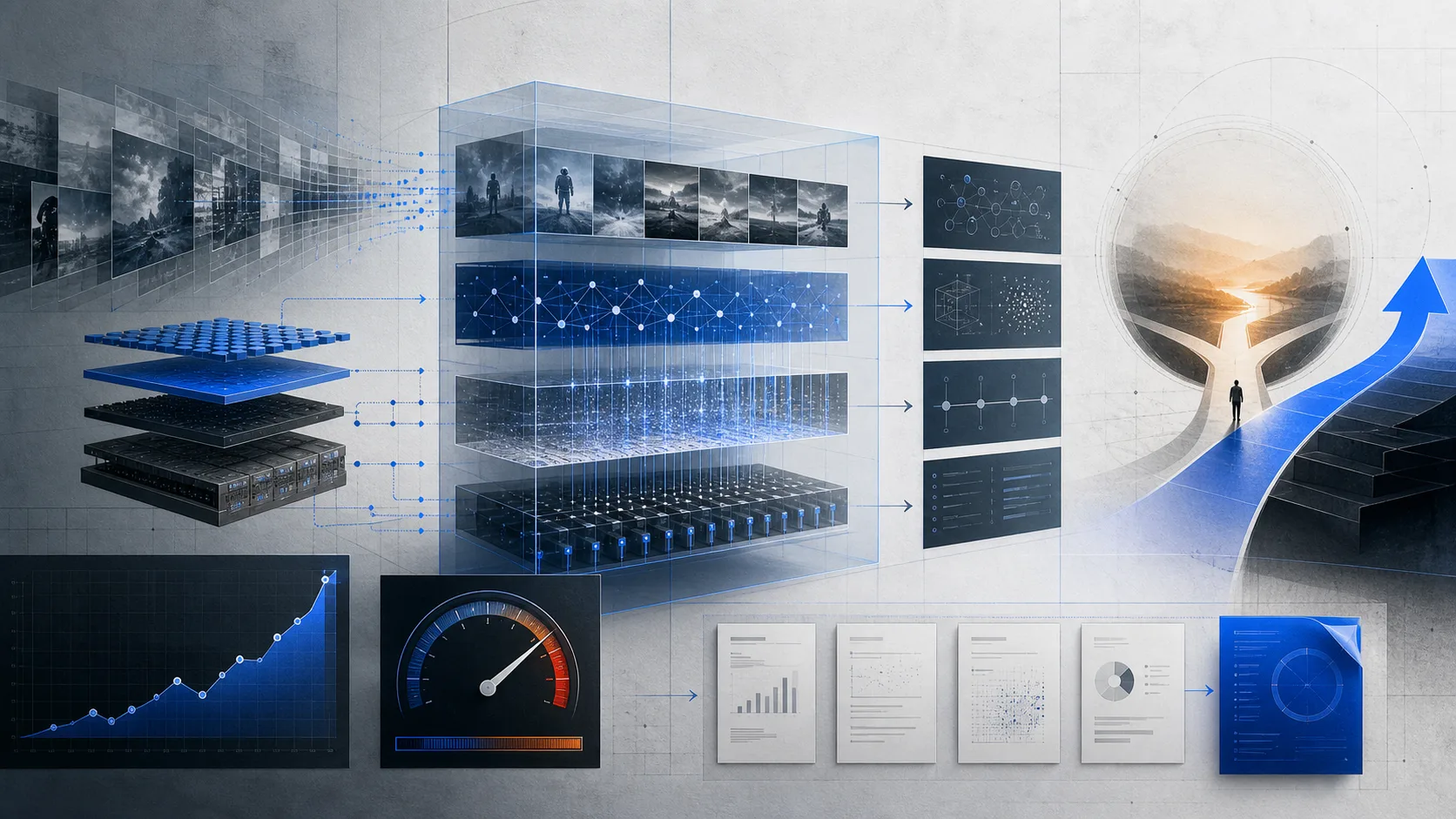
In December 2025, Disney announced a $1 billion investment in OpenAI, with over 200 Disney characters set to appear on Sora. The tech world was stunned: this was the historic moment AI video generation was going mainstream.
Three months later, Sora shut down.
Pioneer, Then Out

When OpenAI first unveiled Sora in February 2024, the golden retriever running on a beach and the slow-motion winter scene on a Tokyo street left the entire industry speechless. At the time, competing products were still stuck in shaky low-resolution clips. Sora's quality leapfrogged an entire generation.
OpenAI became the undisputed trailblazer of AI video. But trailblazer doesn't mean finisher.
Runway kept iterating. Google's Veo emerged as a dark horse, quietly closing the gap in realism. China's Kling captured users with lower prices and faster generation speeds. By 2025, Sora's technical edge had been substantially eroded, and the first-mover halo had started to fade.
$1 Billion, Three Months

In December 2025, Disney and OpenAI signed a three-year licensing agreement: $1 billion investment, 200+ Disney characters entering Sora, reaching new generations through AI video generation.
This looked like a win-win. Disney wanted to extend its IP reach through AI. OpenAI wanted to use top-tier content licensing to prove Sora wasn't a toy — it was a platform with real commercial value.
The money never changed hands.
According to Ars Technica, Disney said they were blindsided by the shutdown decision — OpenAI announced Sora's closure as a fait accompli, not through prior negotiation. Disney promptly cancelled the partnership with diplomatic language:
We respect OpenAI's decision to exit the video generation business. We appreciate the constructive collaboration between our teams and what we learned from it, and will continue to work with AI platforms to embrace new technologies responsibly.
The subtext was less gracious.
"side quest": OpenAI's Own Diagnosis

The real logic behind closing Sora was stated plainly at OpenAI's all-hands meeting.
According to the WSJ, OpenAI head of applications Fidji Simo told the meeting that the company needed to refocus on business and productivity use cases, and couldn't keep being distracted by "side quests."
Sora, in that context, was a side quest.
This was a business judgment about focus — and an honest admission of market positioning failure. OpenAI never found a commercial model for the consumer-facing video generation market that could justify the long-term investment. Competitors were closing in, compute costs were burning, and enterprise API calls and ChatGPT Pro subscriptions were far more certain revenue.
So video generation — once the flagship showcase — became a burden to shed.
The Tuition, Paid by the Industry
Sora's closure leaves a few aftershocks worth noting:
For OpenAI: A painful but rational contraction. Under the pressure of the AGI race, resources can't be spread across products that can't monetize quickly. The question is whether this strategic drift will make external partners question OpenAI's long-term commitment.
For Disney: An expensive reminder — long-term contracts with AI companies need to spell out what happens if the product gets shut down. Fortunately, the money never went out.
For the AI video generation industry: Sora's exit shows the sector isn't mature yet. Technical leadership can't be directly converted into commercial moats. User willingness to pay is limited, and content copyright risks loom large. Who survives to the end matters more than who dazzles the world first.
When OpenAI said goodbye to Sora, they wrote: "What you made with Sora mattered, and we know this news is disappointing."
Mattered, but not profitable enough.
That may be Sora's most honest epitaph.
MANUAL INQUIRY
Need ClaudeCode or GPT recharge help?
Use the inquiry pages for ClaudeCode, GPT recharge, assisted purchase, and team sourcing.
Automatic payment is not configured. Pricing, region support, and timing are confirmed manually.